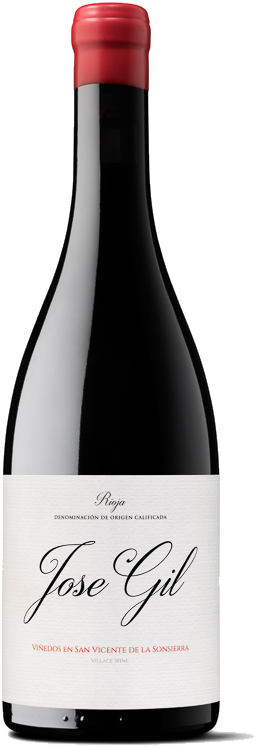
2025 · Rioja
Viñedos en San Vicente de la Sonsierra
Village wine. Tempranillo, Garnacha and Viura grown above 500 metres ferment together before ten months in concrete and used French oak.

Spain · Rioja
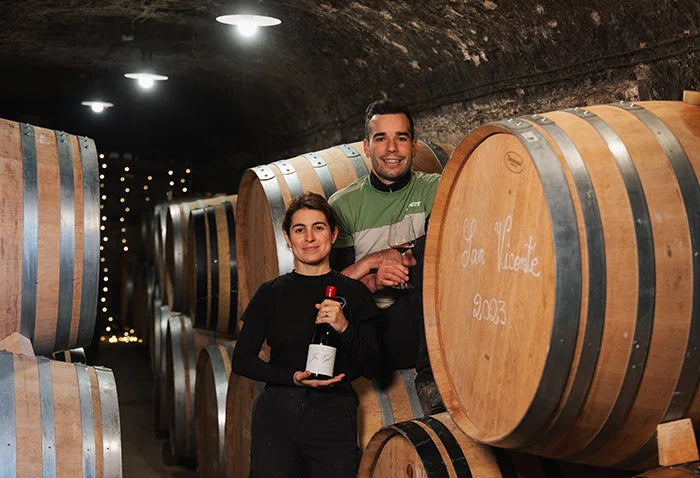
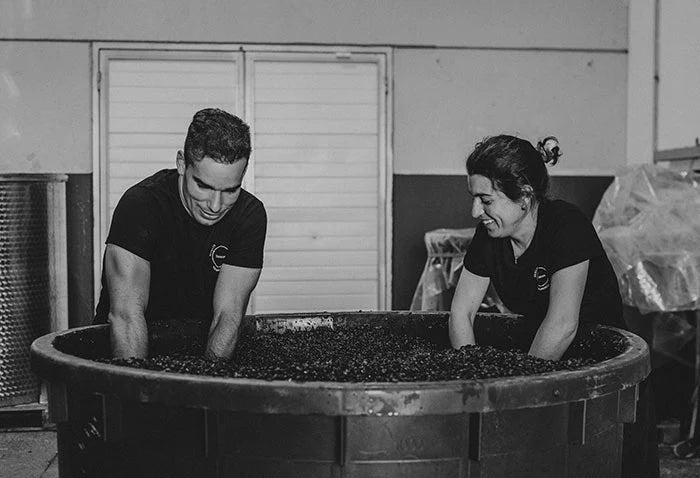
José Gil and Vicky Fernández, vignerons de la Sonsierra.
San Vicente de la Sonsierra · Labastida
José Gil Vigneron grew out of the work of José Gil and Vicky Fernández between San Vicente de la Sonsierra and Labastida, two of Rioja’s defining wine villages. They farm small plots of old vines, seeking to express each place with precision and freshness through a close understanding of its land.
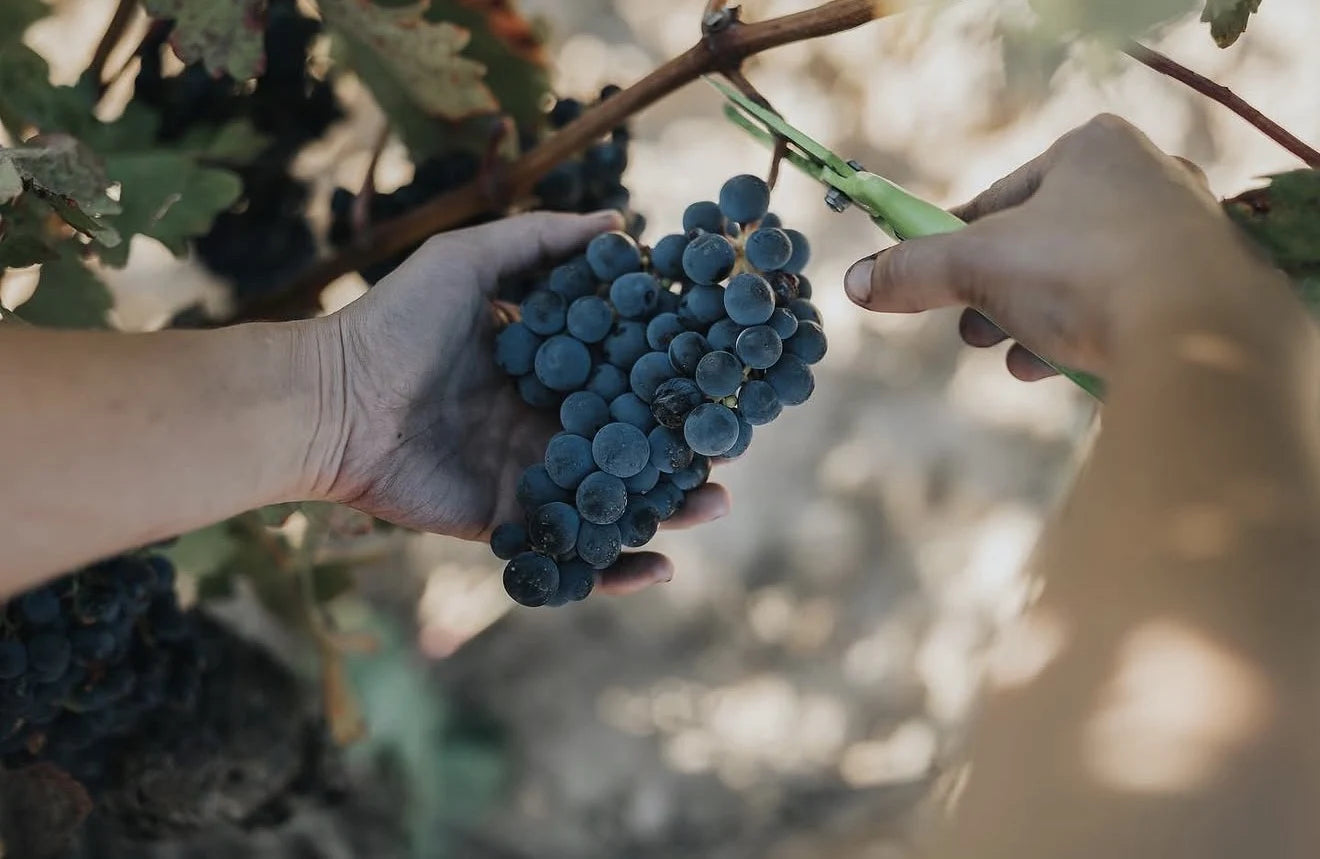
Hand harvesting, spontaneous fermentation with native yeasts, gentle extraction and a judicious use of concrete and 500-litre French oak barrels give José Gil’s wines their elegance, depth and definition. Altitude, limestone soils and Atlantic influence lend them a fresh, mineral character, with the oak playing a supporting role.
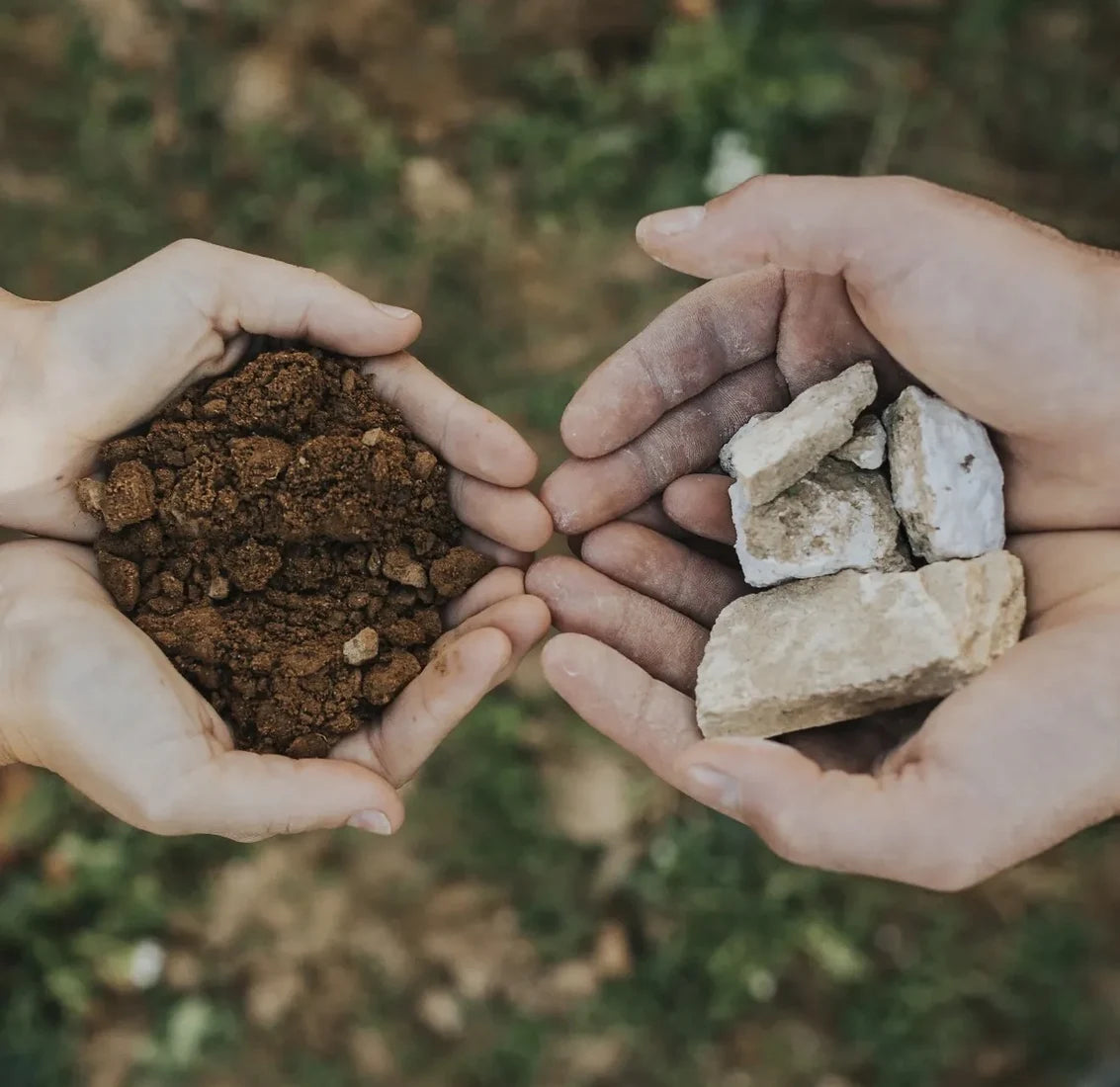
The vineyards
In El Bardallo, three vineyards aged 40 to 80 years grow on silt and sand strewn with limestone. In 2024 José and Vicky kept some bunches whole. The result is a delicate red with the freshness they look for in this valley at 540 metres.
At La Canoca, near Peciña, the vines occupy three terraces facing north, east and west. The wind passes through wild fennel, thyme and rosemary. In 2025 the couple destemmed every bunch and chose unlined concrete for fermentation.
In the cellar
Cut into the hillside below the castle is the calado, the underground cellar where the wines mature. Grapes are picked by hand, native yeasts start the fermentations and extraction is gentle. Barrel size matters here: the 500-litre French oak vessels allow the fruit to develop without a heavy oak imprint.
The white reveals another detail of their work. For El Calado del Espino, Viura from an old plot in San Martín ferments partly in oak and partly in 54-litre glass demijohns. The wine spends eleven months in the quiet of the cellar.
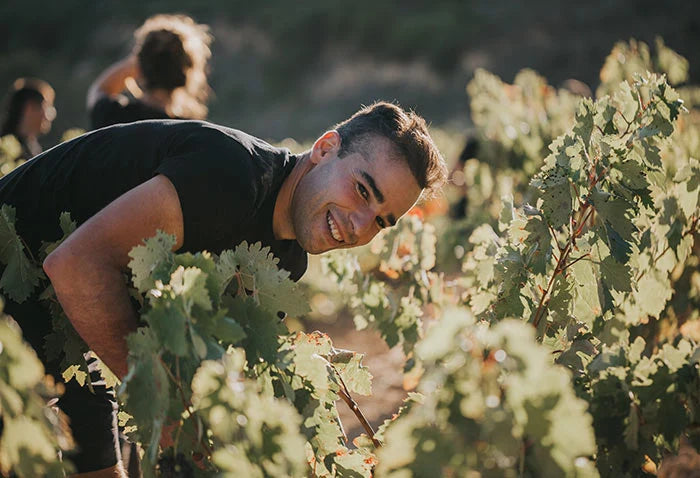
The 2025 harvest
After a summer of mildew, they went vine by vine in August to select the remaining bunches. Cool September nights allowed ripening to slow. They began picking whites on 20 September and finished in Camino de Ribas on 10 October.
Robert Parker Wine Advocate
Camino de Ribas 2024 · Luis Gutiérrez
Tim Atkin MW
José Gil & Vicky Fernández · Rioja, 2021
The wines
Two village reds, two valley reds, a Garnacha vineyard in La Cóncova and a white Viura from Labastida. Cave Tirsense receives an allocation of each wine.
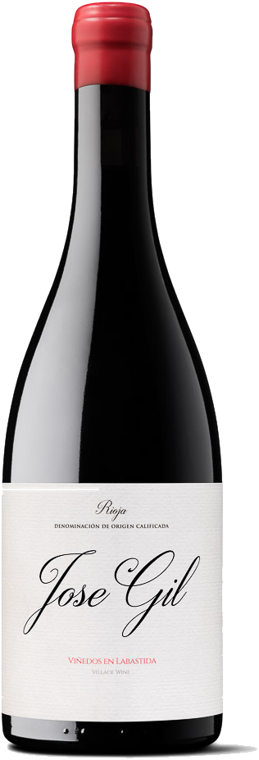
2025 · Rioja
Village wine. Tempranillo, Garnacha and Viura grown above 500 metres ferment together before ten months in concrete and used French oak.
2025 · Rioja
A Rioja Alavesa village wine from vines aged 45–100 years. Viura, Palomino and Garnacha Blanca grow among the red varieties and join Tempranillo and Garnacha in the blend.
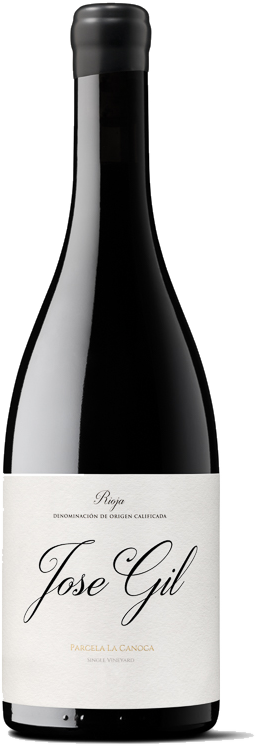
2025 · Rioja
Three terraces near Peciña at 600–700 metres. Tempranillo with 5% Viura, fully destemmed and fermented in unlined concrete.
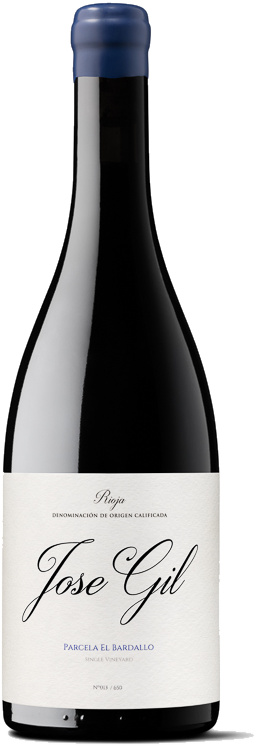
2024 · Rioja
Three vineyards aged 40–80 years at 540 metres. Tempranillo and a little Viura make a delicate red, with 20% whole bunches and ageing in 500-litre barrels.
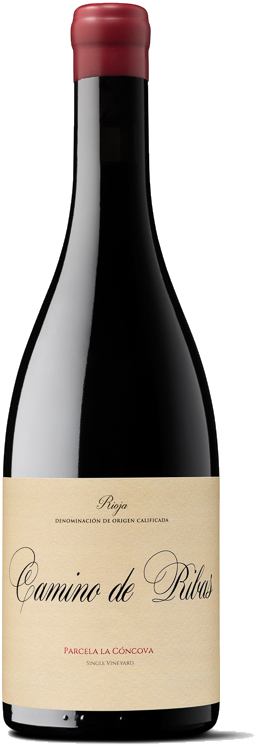
2024 · Rioja
One bush-vine plot in La Cóncova, on sand over sandstone at 600 metres. The 2024 blends 75% Garnacha, 15% Tempranillo and 10% Garnacha Blanca, with 40% whole bunches.
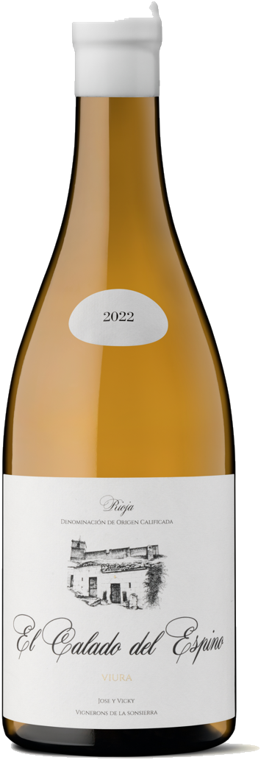
2024 · Rioja
Viura from an old vineyard on limestone-rich soils in San Martín, Labastida. In the medieval cellar, 70% ferments in French oak and 30% in 54-litre glass demijohns. Ageing lasts eleven months.
A note from Cave Tirsense
The scale of the project is tangible: in 2023 Camino de Ribas yielded just 620 bottles. Our allocation varies with each harvest. Whether you are choosing for a wine list, a shop or your own table, tell us the wines and quantities you have in mind and our team will confirm availability.
RESPONSIBLE CONSUMPTION
To enter the shop, confirm that you are 18 or older.